
How We Built UIET's Largest Student Pitch Showcase: Behind the Scenes of Eureka
A transparent look at the operations, sponsorship outreach, and founder pitches that brought together 35+ campus innovators, mentors, and angel investors under one roof.
The Spark Behind Eureka 2026
When we began planning the flagship pitch showcase this semester, our executive board asked one central question: Why do so many student ideas stall before ever reaching a working prototype?
The answer was rarely lack of ambition or talent. Rather, it came down to three systemic friction points on campus:
- Lack of Early Validation: Students often spend months coding without testing their thesis with target users.
- Fear of Pitching: The misconception that you need a finished commercial product to seek mentorship.
- The Mentorship Chasm: Founders in Tier-2/3 university ecosystems often lack direct channels to active operators.
Eureka 2026 was architected from the ground up to dismantle these barriers.
35 Teams, 12 Finalists, Real Project Validation
Unlike conventional theoretical business plan competitions, Eureka mandated a Demonstration First policy. Teams had to show working code, physical prototypes, or customer waitlists before taking the stage in front of the jury.
"A prototype proves conviction far more than any fifty-slide deck ever will. At E-Cell, we celebrate builders who ship." — *Dr. Rajesh Kumar, Faculty Advisor*
The jury comprised experienced founders from Gurugram, university alumni running active SaaS companies, and technology leaders across Haryana's startup circuit.
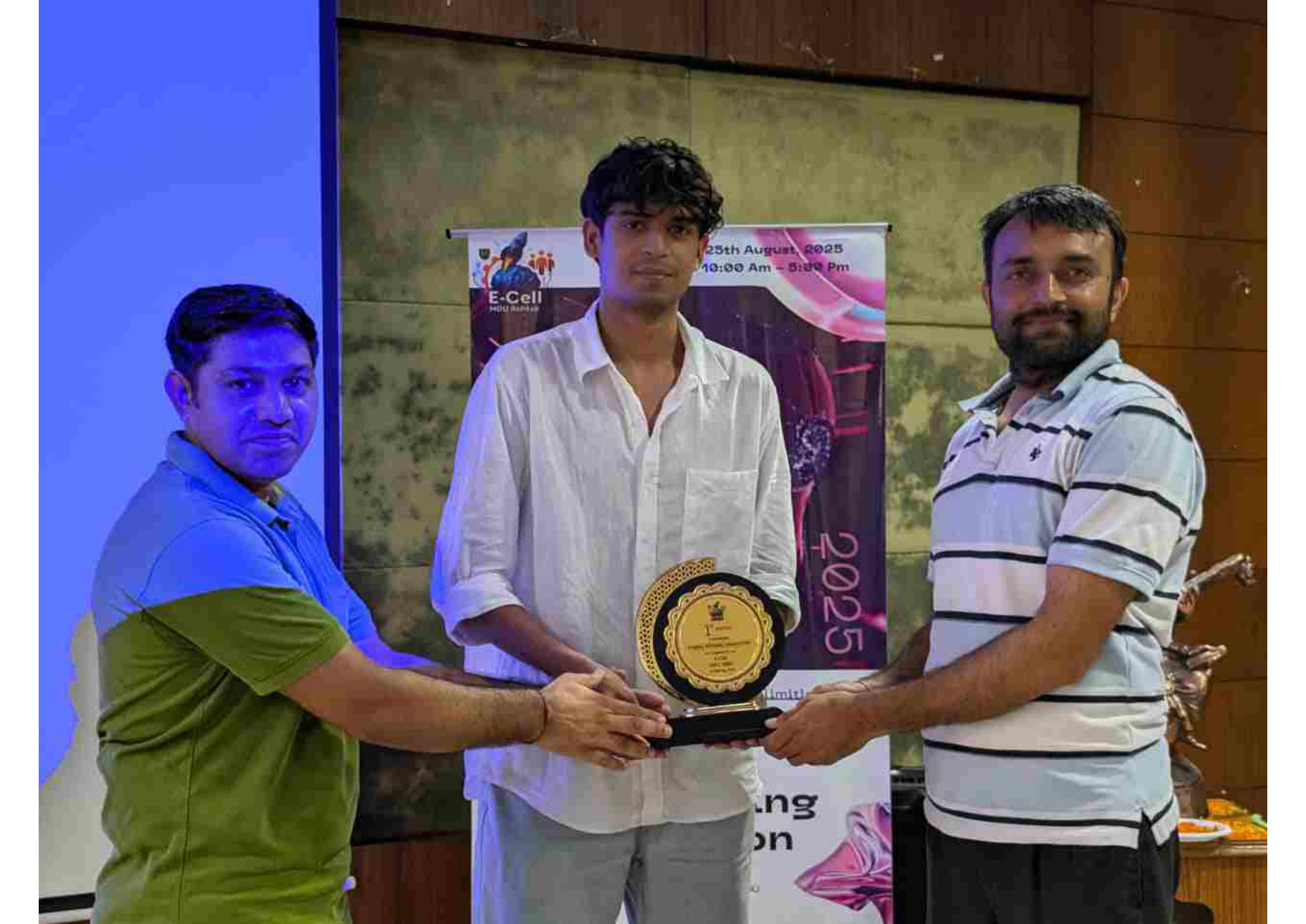
Key Milestones from the Showcase: - **350+ Student Attendees** across 6 university departments (CSE, Mechanical, Biotechnology, MBA, Commerce, and Applied Sciences). - **Merit Awards & Incubation Support** provided to the top three podium teams. - **Direct Incubation Fast-Track:** 4 projects selected for university incubation lab workspace with complimentary cloud credits.
What the Winning Teams Did Differently
Reviewing the judging scorecards revealed a distinct pattern among the top finishers:
- Specific Problem Scoping: Instead of trying to "fix agriculture," the winning AgriTech team targeted soil nitrogen telemetry for wheat farmers within a 40km radius of Rohtak. Specificity breeds defensibility.
- Fast Feedback Loops: The runner-up team had already collected responses from 120 campus hostel students to validate their shared micro-logistics platform.
- Coachability: Founders who listened attentively to harsh feedback during the preliminary dry-runs improved their pitch scores by an average of 42% in the finals.
What Comes Next for E-Cell
Eureka is not a one-day spectacle; it is the launchpad for continuous campus innovation. Finalists are paired with faculty and alumni mentors for project check-ins, prototyping guidance, and customer validation.
If you have a project or an unproven hypothesis you want to build, don't wait for the next annual summit. Reach out to our team, join our weekly open office hours, and let's turn your idea into impact.